Blind Zeal: How False Teaching or a Lack of Teaching Reproduces Itself in the Church
The Apostle Paul’s warnings to Timothy remain strikingly relevant today. The progression from truth to error rarely happens overnight—it begins subtly, often through well-meaning leaders who drift from Scripture without realizing it. This leads to a generation raised under a new “normal” where falsehood feels familiar, and truth feels foreign.
12/23/20256 min read
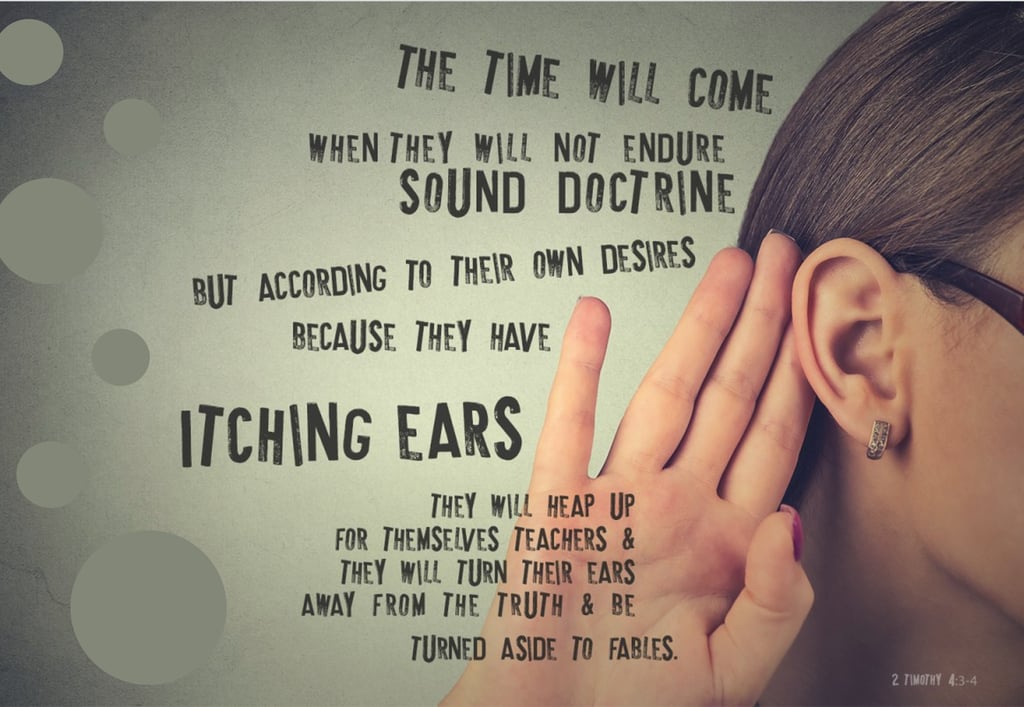
Table of Contents
Introduction: The Cycle of False Teaching in the Church
How False Teaching Enters the Church
2.1 Appealing Messages That Distort Truth
2.2 “Profane and Idle Babblings” and the Birth of a New Appetite
2.3 When Practical Messages Replace Doctrinal PreachingThe Tragic Sincerity of False Teachers
3.1 “Lord, Lord…” – Sincere Yet Unknown to Christ
3.2 Blind Guides and Zeal Without Knowledge
3.3 When Religious Zeal Fuels PersecutionA Self-Perpetuating Culture of Error
4.1 How Drifting Churches Select Like-Minded Leaders
4.2 False or Shallow Teaching Raising a New Generation
4.3 Error Spreading Like Cancer in the Body of ChristReturning to the Word
5.1 Scripture as the Sole Authority for Faith and Practice
5.2 Measuring All Teaching by the Word, Not Feelings
5.3 Loving Truth in a Culture of ComfortDiscussion Questions for Study and Reflection
6.1 Recognizing the Drift
6.2 Sincerity vs. Truth
6.3 The Cycle of Falsehood
6.4 Guarding Against Deception
6.5 Reclaiming the PulpitClosing Challenge
7.1 The Subtle Beginnings of False Teaching
7.2 A Call to Personal Examination
7.3 Praying for Eyes to See and Hearts That Love Truth
The Cycle of False Teaching or the Lack of It in the Church
The Apostle Paul warned Timothy that the greatest threat to the Church would not come from outside persecution, but from within her own walls. False teachers and pastors would rise up among the people, spreading messages that sound appealing yet stray from biblical truth. These deceptions, once welcomed, would shape an entire generation of believers to see falsehood as the standard of truth.
In 2 Timothy 2:20, Paul urges Timothy to “shun profane and idle babblings,” because such empty chatter only leads to more ungodliness. This is where the cycle begins. When false teaching enters the Church, it does not merely distort doctrine—it creates an appetite for that distortion. Congregations, having grown accustomed to unsound teaching, begin to desire more of it. Paul foresaw this clearly in 2 Timothy 4:3–5, warning that “the time will come when they will not endure sound doctrine, but according to their own desires, because they have itching ears, they will heap up for themselves teachers.”
Once falsehood becomes normal, the next generation of leaders is trained to defend—not the Bible—but the traditions of their false teachers. They sincerely believe they are protecting truth, but the truth they defend is no longer Scripture-centered. Churches shift from preaching the Word to delivering “practical” messages that revolve around people’s needs, emotions, and preferences. The focus drifts from God’s revelation to human satisfaction—from doctrinal truth to “empty babbling” and “fables.”
The Tragic Sincerity of False Teachers
This deception is rarely intentional. Christ’s words in Matthew 7:21–23 reveal something deeply sobering. Many will one day stand before Him, saying, “Lord, Lord, did we not prophesy in Your name?” They will be sincere yet wrong. They will believe they were serving God, but Christ will say, “I never knew you.” The tragedy is not hypocrisy, it is blindness.
Jesus described such leaders as “blind guides” in Matthew 15:14. They think they see, but they do not. Their blindness is not rebellion in the ordinary sense but ignorance wrapped in confidence. Like those Paul speaks of in Romans 10:2, they have “a zeal for God, but not according to knowledge.” Zeal without truth is a dangerous combination; it drives people with energy and passion straight toward destruction. As Jesus warned in John 16:2, such people may even persecute true believers, sincerely believing they are serving God.
A Self-Perpetuating Cycle
This pattern repeats throughout the Old and New Testaments and into Church history. Once a congregation or denomination drifts from Scripture, it tends to attract and promote leaders who align with its new values. Pastors, teachers, and deacons begin to choose like-minded people, those who agree with the diluted message. This selection process ensures the continuation of the same false teaching, or lack of teaching, into the next generation. The church culture becomes self-reinforcing: false or a lack of teaching produces false teachers, who, in turn, raise up followers who prefer falsehood to truth, or a lack of the fullness of truth.
Just as Paul warned, the message spreads “like cancer” (2 Timothy 2:17). It infiltrates healthy parts of the body of Christ, consuming what remains of sound teaching. Eventually, even the sincere can become participants in deception.
Returning to the Word
The only cure is a return to Scripture as the sole authority for faith and practice. The Church must rekindle its love for sound doctrine, for “all Scripture is breathed out by God and profitable for teaching, for reproof, for correction, and for training in righteousness” (2 Timothy 3:16). We must measure every sermon, book, and teaching against the standard of God’s Word, not how it makes us feel, but whether it aligns with His truth.
False pastors and teachers thrive in a culture that prioritizes personal comfort over biblical conviction, feel-good sermons over doctrine, and stories over Scripture. When believers love the Word, cherish the truth, and test all things, the light of Scripture exposes deception for what it is. Only then can the Church break the cycle.
Discuss the following questions:
Recognizing the Drift
How can a church tell when it is beginning to drift from sound doctrine toward “empty babbling” or “fables”?
What small compromises might lead to a larger cultural shift away from Scripture?
Sincerity vs. Truth
Why is sincerity not the same as truth?
In what ways do Matthew 7:21–23 and Romans 10:2 challenge the idea that genuine passion equals correct faith?
The Cycle of Falsehood
How does false teaching reproduce itself through leadership and discipleship structures in a church?
What can local church leaders do to stop that cycle and restore a biblical foundation?
Guarding Against Deception
How can individual believers “shun profane and idle babblings” in their daily spiritual lives?
What practical habits (study, accountability, prayer) protect us from confusion between truth and error?
Reclaiming the Pulpit
What does a sermon centered on Scripture look and sound like compared to one centered on people’s preferences or feelings?
How can believers lovingly call for a return to biblical preaching without stirring division?
Closing Challenge
False teaching rarely begins with open rebellion against God; it often begins with small shifts away from His Word, justified by sincerity, emotion, or cultural pressure. The sobering reality is that many who cry, “Lord, Lord,” and labor in religious activity may still be unknown to Christ if their zeal is not grounded in truth.
Let this study be more than an analysis of what is wrong “out there.” Instead, let it drive each heart to prayerful self-examination:
Is faith anchored in Scripture or in tradition, personality, and preference?
Is zeal shaped by knowledge of God’s Word, or by feelings and trends?
May the Lord grant eyes to see, ears to hear, and hearts that love truth, so that both leaders and congregations break the cycle of false teaching and stand firm in the pure gospel of Jesus Christ.
Resources
How can I recognize a false teacher / false prophet?
What is false doctrine?
Should Christians judge the teachings of their leaders?